
Maintaining a healthy weight is one of the most important factors in helping your pet live a long, active life.
At Frisco Vet Care, we frequently see dogs and cats struggling with weight gain due to overfeeding, limited activity, or life-stage changes.
In a fast-growing community like Frisco, busy family schedules and indoor lifestyles can make it easy for extra pounds to creep up on pets.
The good news is that pet obesity is preventable and manageable with the right nutrition plan and veterinary guidance.
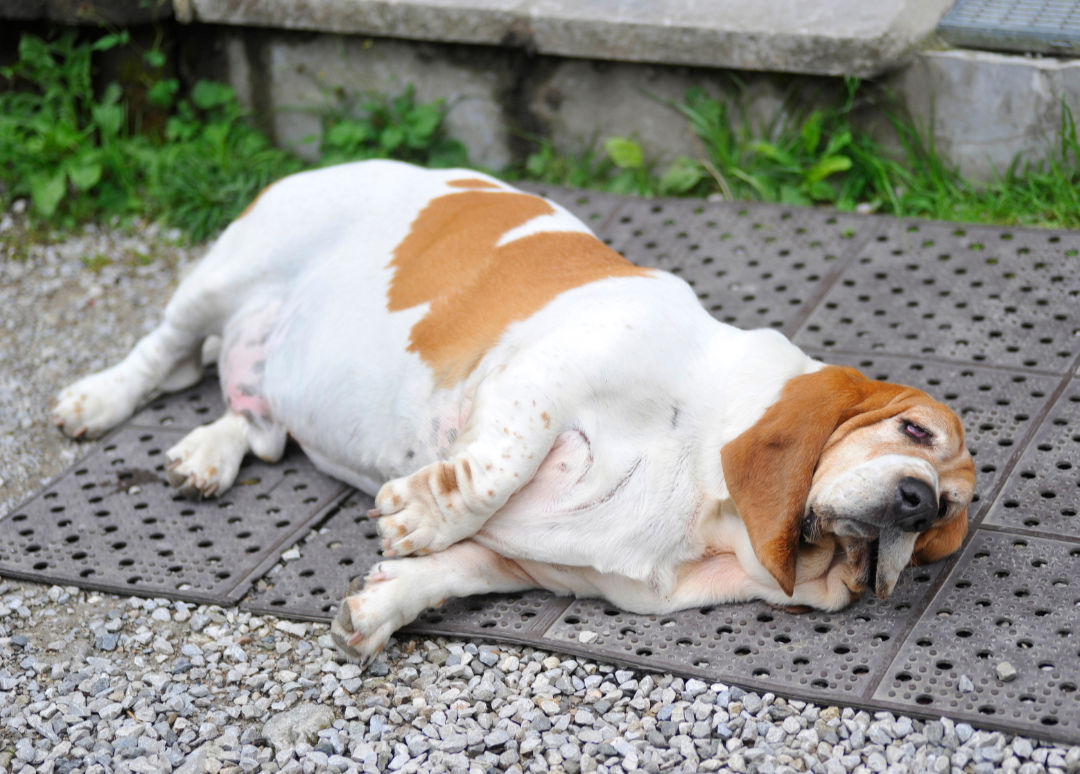
Why Pet Obesity Should Not Be Ignored
Excess body weight affects far more than appearance. Overweight pets face increased risks of chronic disease and reduced quality of life.
Common Health Risks in Dogs
- Osteoarthritis and joint strain
- Worsening hip dysplasia
- Heart disease
- Type 2 diabetes
- Exercise intolerance, especially in warmer Texas months
Common Health Risks in Cats
- Diabetes mellitus
- Hepatic lipidosis (fatty liver disease)
- Urinary tract disorders
- Reduced grooming and skin problems
- Decreased mobility and activity
If your dog seems reluctant to go on walks or your cat is less willing to jump and play, weight gain may be contributing.
Signs Your Dog or Cat May Be Overweight
Weight gain often happens gradually, making it difficult to recognize.
You can evaluate your pet at home by checking:
- Ribs should be easy to feel without pressing firmly
- A noticeable waistline when viewed from above
- An abdominal tuck rather than a rounded belly when viewed from the side
A professional weight assessment at your veterinary visit can determine your pet’s body condition score and ideal target weight.
Nutrition Strategies for Healthy Weight Management
Accurate Portion Control
Eyeballing food portions is one of the most common causes of overfeeding. Measuring every meal with a standard measuring cup or kitchen scale helps control calorie intake and supports safe weight loss in overweight dogs and cats.
If you’ve ever wondered how much to feed your dog or what proper portion sizes look like for cats, a customized feeding plan makes all the difference.
Select a Balanced, High-Quality Diet
Choosing the right food is critical for both prevention and treatment of pet obesity.
Look for:
- A named animal protein as the primary ingredient
- Controlled fat and calorie levels
- An AAFCO nutritional adequacy statement
- A formula matched to your pet’s life stage
For pets needing additional support, veterinary weight management diets are formulated to reduce calories while preserving lean muscle mass.
Treats in Moderation
Treats should account for no more than 10% of your pet’s total daily calories. Even small snacks add up quickly.
Health-conscious options include:
- Small portions of dog-safe vegetables
- Kibble from your pet’s daily ration used as rewards
- Low-calorie veterinary-approved treats
Minimizing table scraps is especially important for pets enrolled in a dog weight loss program or structured nutrition plan.
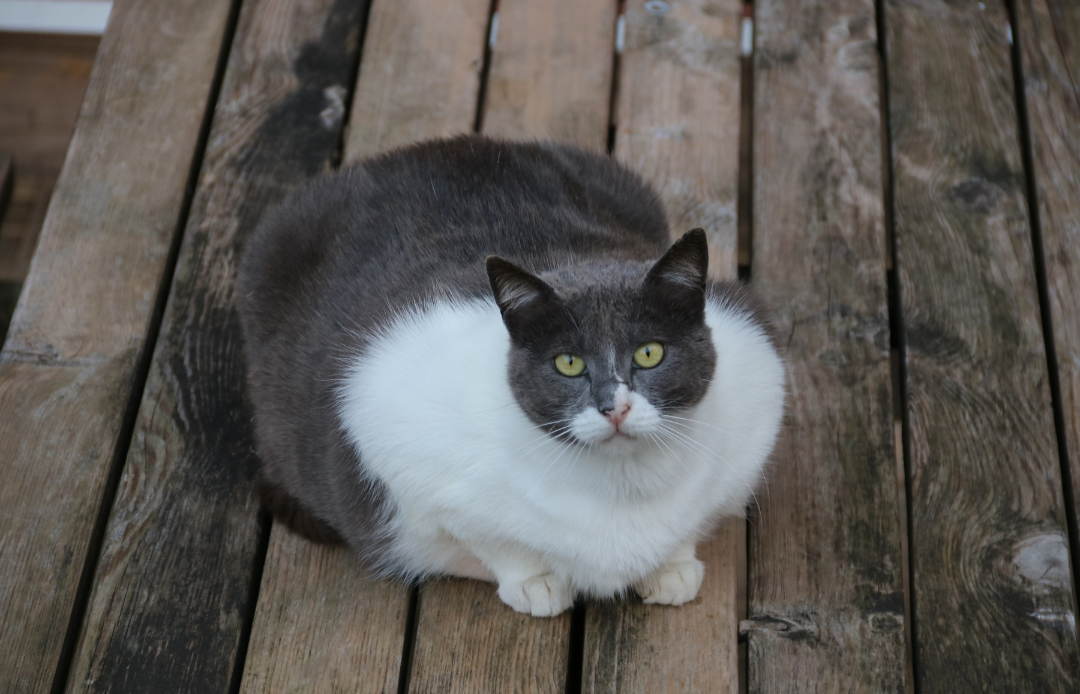
Increasing Safe Daily Activity
Exercise plays an essential role in weight management and overall wellness.
For dogs:
- Daily neighborhood walks
- Structured play sessions
- Interactive toys that encourage movement
For cats:
- Wand toys and laser play
- Climbing structures for vertical activity
- Two short interactive play sessions per day
Even moderate increases in daily activity can support healthy weight loss and improved energy levels.
Why Veterinary Supervision Matters
Safe weight reduction requires a thoughtful approach. Rapid dieting particularly in cats can lead to serious complications such as fatty liver disease.
Routine weigh-ins allow your veterinarian to:
- Track gradual, healthy progress
- Adjust caloric intake appropriately
- Maintain muscle mass
- Improve long-term success rates
Professional nutrition counseling ensures your dog or cat receives balanced nutrients while reducing excess body fat.
Life-Stage Nutrition Considerations
Puppies and Kittens
Overfeeding during early growth stages can set the stage for lifelong weight challenges. Controlled growth and proper feeding guidelines are essential for preventing obesity later in life.
Senior Dogs and Cats
As pets age, metabolism slows and activity levels often decline. Senior pet nutrition should focus on fewer calories while maintaining high-quality protein to protect muscle mass and joint health.
Professional nutrition counseling ensures your dog or cat receives balanced nutrients while reducing excess body fat.
Supporting Lifelong Health in Frisco Pets
Helping your pet maintain a healthy weight can:
- Extend lifespan
- Lower the risk of diabetes and joint disease
- Improve mobility and comfort
- Enhance daily energy and overall quality of life
At Frisco Vet Care, we provide personalized weight management plans, nutrition counseling, and ongoing monitoring to help pets thrive at every stage of life.
If you’re concerned about your dog or cat’s weight, schedule a wellness exam to develop a customized plan designed to support safe, sustainable results. Small adjustments in diet and exercise today can lead to lasting health benefits for years to come.

